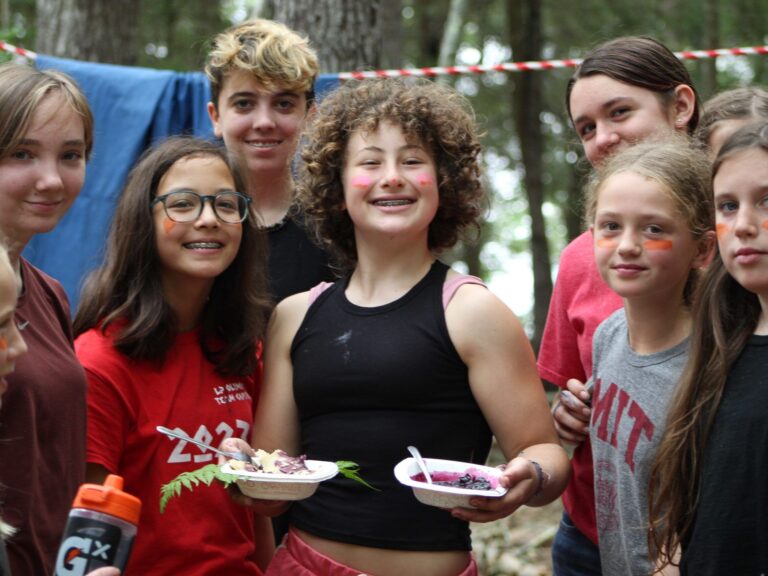

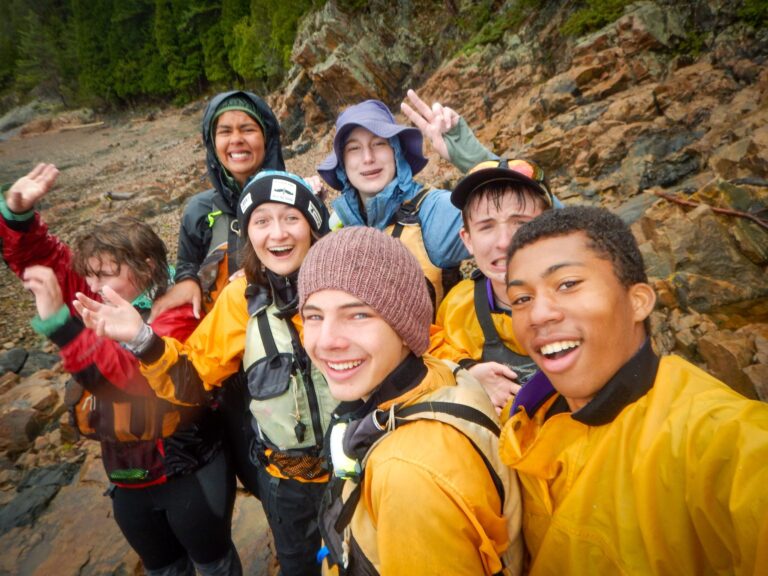
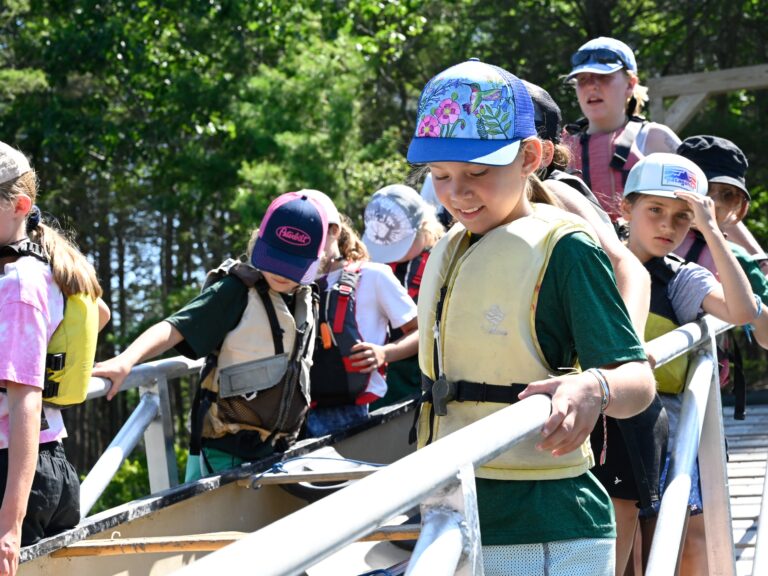
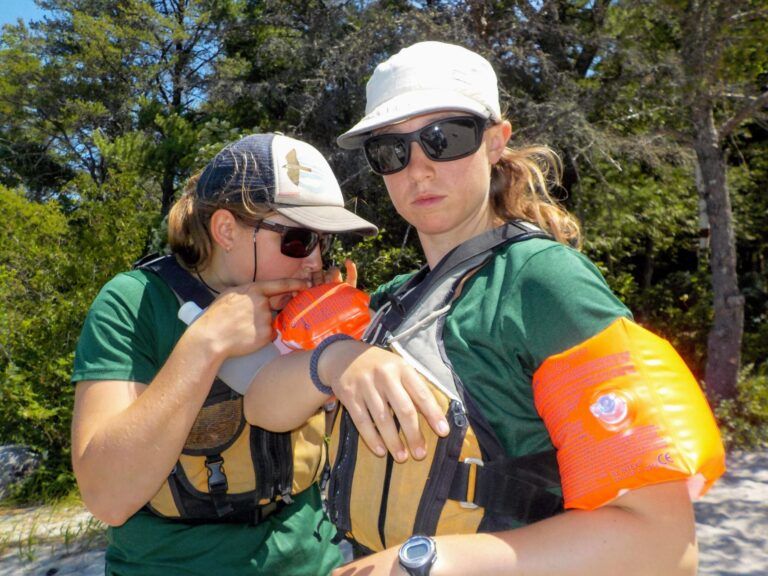
Our wilderness trips are three weeks in length. The first two days and the last two days are spent in camp, preparing for and debriefing from the journey. Girls will have the choice of which adventure they want to choose. The summer of 2008 we will offer two sessions of canoeing on the Allagash River and one session of hiking on the Appalachian Trail.

This trip is designed specifically for young women who want to challenge themselves physically, mentally, and emotionally. Participants will spend three-weeks canoeing down 150 miles of northern lakes and rivers and experience 500 years of Maine history along the journey. The group will paddle down the West Branch of the Penobscot and then portage their canoes and gear over the height of land that separates the West Branch from the north flowing waters of the Allagash. The trip will finish on the St. John River in the town of St Francis on the Maine, New Brunswick border.
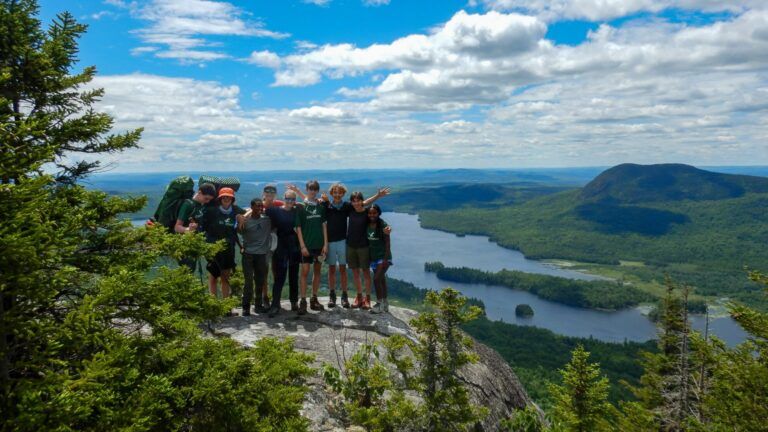
The Appalachian Trail through Maine is considered by many to be the most challenging and remote section of the footpath that begins in Georgia. Eight young women and two leaders will spend three weeks traveling through a magnificent stretch of the Maine trail, spending between four and six days in sections above treeline. Along the way, participants will learn low-impact camping techniques, strengthen their leadership skills, and develop meaningful relationships. Though the journey will present physical challenges, there will be plenty of time for laughter, games, and relaxation.

The three-phase model is designed to guide girls through a learning progression with the ultimate goal of self-sufficiency. The three phases are Training, Main and Final. This concept is introduced to the girls early on and they demonstrate competencies learned in order to progress through the phases.

A daylong "solo" midway through the journey provides space for deeper contemplation. The group is met by physical, mental and emotional challenges that boost self-confidence as preconceived limits are surpassed.

Along the way, the group is met by Resource Women such as scientists, forest rangers, traditional skills experts, artists and homemakers who are deeply connected to the local landscape. The lessons taught by the Resource Women provide a deeper understanding of the region and offer insights into professional career tracks linked to the natural environment.