Skip to content
Plan an Event
|
Update Your Address
|
Contact Us
|
Employment
|
Merch
Camp Chewonki
Maine Coast Semester
Environmental Education
Hour-Long Programs
Day Programs
Overnight Programs
Backcountry Trips
Workshops & Courses
Wilderness Medicine Courses
Conferences, Retreats, and Rentals
Sustainability
2030 Decarbonization Plan
Events
Upcoming Events
Alumni
Alumni News
2026 Alumni Map
Chewonkipedia
Subscription Options
Publications
Chewonki Connects
Chewonki Chronicle
Annual Reports
Chewonki, 100 Years of Learning Outdoors
Finding Friends
Class Agents
About
Employment Opportunities
Latest News
Leadership
Chair’s Office
President’s Office
Trustees and Advisors
Staff Directory
Vacation Rentals
Big Eddy Campground
Health and Wellness Center
Nut Policy
Health and Wellness FAQ
Participant Guidelines & Policies
Essential Eligibility Criteria
Participant Behavior Agreement
Our Non-Discrimination Policy
Our Privacy Policy
Forms
Guest and Volunteer Waivers
Health Forms
Mission
Diversity, Equity, and Inclusion at Chewonki
Campus
Campus Map
History
Other Chewonki Properties
Maine Islands
Montsweag Brook Restoration Project
Nature Preserves & Trails
Contact Us
Donate
Make a Donation
Our Gift Acceptance Policy
Gifts of Securities
Planned Giving
Ways to Give
Camp Chewonki
Maine Coast Semester
Environmental Education
Hour-Long Programs
Day Programs
Overnight Programs
Backcountry Trips
Workshops & Courses
Wilderness Medicine Courses
Conferences, Retreats, and Rentals
Sustainability
2030 Decarbonization Plan
Events
Upcoming Events
Alumni
Alumni News
2026 Alumni Map
Chewonkipedia
Subscription Options
Publications
Chewonki Connects
Chewonki Chronicle
Annual Reports
Chewonki, 100 Years of Learning Outdoors
Finding Friends
Class Agents
About
Employment Opportunities
Latest News
Leadership
Chair’s Office
President’s Office
Trustees and Advisors
Staff Directory
Vacation Rentals
Big Eddy Campground
Health and Wellness Center
Nut Policy
Health and Wellness FAQ
Participant Guidelines & Policies
Essential Eligibility Criteria
Participant Behavior Agreement
Our Non-Discrimination Policy
Our Privacy Policy
Forms
Guest and Volunteer Waivers
Health Forms
Mission
Diversity, Equity, and Inclusion at Chewonki
Campus
Campus Map
History
Other Chewonki Properties
Maine Islands
Montsweag Brook Restoration Project
Nature Preserves & Trails
Contact Us
Donate
Make a Donation
Our Gift Acceptance Policy
Gifts of Securities
Planned Giving
Ways to Give
Camp Chewonki
Camp for Grades 2-11
Backcountry Trips for Teens
Camp for Grades 9-11
Maine Coast Semester at Chewonki
For High School Juniors and Seniors
Chewonki Environmental Education Programs
For school groups of all ages
Workshops & Classes
Experiential learning for ages 18+
Vacation Rentals
For everyone!
Latest News
Until Next Year, Campers!
Old Friends, New Memories: Homecoming 2026
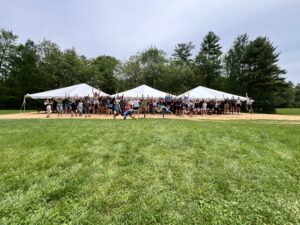
Orchard Field Dining Tent
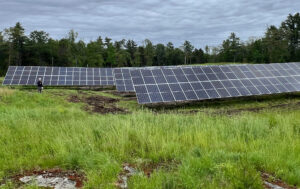
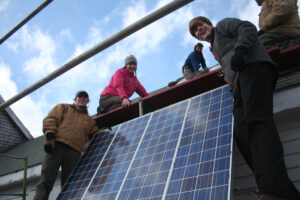
Let the Sunshine In! Announcing the Launch of our New Agrivoltaic Solar Array
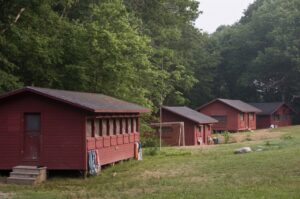
Cabins, Camping, and More! What’s New at Homecoming
Maine Youth Environmental Leader Scholarship
Learning Sustainability by Living It
Thriving, Not Just Surviving: A First Look at Our Partnership with Sapien Labs
Because of You: Ring in the New Match Campaign Results
That Moment When The Sun Returns
A Gift Rooted in Maine
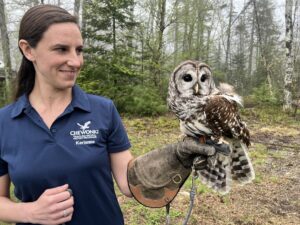
Staff Spotlight: Kerianne Gwinnell
Celebrating Doc Fred, Chewonki’s Beloved Master Naturalist
Powering Change: What Beneficial Electrification Means for Chewonki
Camp as Family: Welcoming Ben King
A Match is Lit. Let’s Make it Count.
Chewonki People News 2025: So Many Stories, So Many Places
A day on the job at Chewonki!
Ring in the New Match!
Let’s Match the Moment for Chewonki
More News from Chewonki